
At present, the commonly used technical methods to improve the vertical bearing capacity of cast-in-place piles include bottom expansion method and post-grouting method of bored cast-in-place piles.
Bottom drilling method
In the same formation, the pile tip resistance is proportional to the pile tip bottom area. On the premise that the diameter of the pile body remains unchanged, increasing the bottom area of the pile end can greatly improve the end bearing capacity of the pile. Therefore, it is an effective technical method to improve the vertical bearing capacity and pull-out resistance of a single pile by using a bottom-expanding bit to expand the size of the bottom of the pile hole to form a bottom-bottomed pile with a small top and a large bottom.
Post grouting
This method can radically eliminate the hidden slag at the bottom of the pile, strengthen the pile body, densify the soil around the pile, and improve the adhesion between the pile and the soil around the pile. 90%.
The effect of the post-grouting process
1. The injected cement slurry is combined with the pile bottom sediment to form concrete, which eliminates the influence of the pile bottom sediment.
2. The pressure-injected cement slurry fills the "virtual tip" and "dry slag" formed by segregation, so as to improve the strength of the concrete at the tip of the pile.
3. The grouting at the bottom of the pile makes the soil at the bottom of the pile compact, and the cement slurry penetrates into the soil at the bottom of the pile to form a consolidated body, which improves the strength of the soil at the bottom of the pile, thereby improving the bearing capacity of the bored pile.
4. Pouring high-pressure grout can form upward prestress at the bottom of the pile, which is beneficial to end-bearing piles.
5. The high-pressure grouting slurry on the pile side has a compacting effect on the soil around the pile, and penetrates into the soil around the pile to form a bamboo-shaped slurry bubble, which has a bamboo-joint pile effect and improves the frictional resistance of the pile side.
6. After the pile hole is drilled and the reinforcement cage is placed, the grouting pipeline is preset, the concrete of the pile body is poured, and the grouting is done after solidification. Before grouting, carry out water injection test to confirm that the pipeline is smooth and then grouting. First pile side and then pile bottom, first group injection, then group grouting.
Related News
-
What is the use of photovoltaic pile driver? What kind of environment is suitable
It was originally designed as a pre-piling equipment for photovoltaic power plants. Through research and development and upgrading, it can also be used in piling projects such as farms, pastures, and orchards. -
What are the characteristics and advantages of photovoltaic pile drivers?
The machine was originally developed for building solar power plants, but it can also be used in other areas, such as building new roads by securing road safety barriers by piling. -
Features and uses of photovoltaic pile drivers
Introduction to the characteristics and uses of photovoltaic pile drivers. When it comes to photovoltaic pile drivers, you may not know much about them. Below I will give you a brief introduction to photovoltaic pile drivers and the populari -
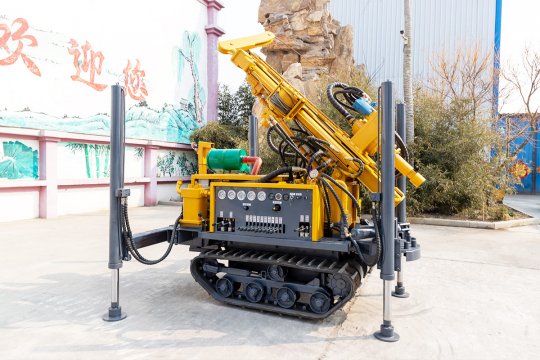
What are the characteristics of pneumatic drilling rigs? What are the advantages?
Pneumatic well drilling equipment, strong horsepower, fast drilling and fast water output. -
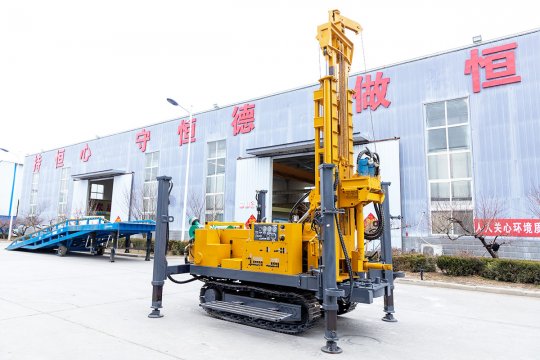
What are the characteristics and functions of air drills?
It is widely used in drilling water wells, detection wells, precipitation wells, rescue wells, ground source air conditioning holes, coal bed methane, natural gas, oil exploration and other projects.